
Mashed potatoes seem too simple to mess up, and yet everyone has had a bad batch: gluey, lumpy, bland, or all three at once. The difference between forgettable and the bowl people ask about later comes down to small decisions. The right potato. Dry heat before mashing. Warm dairy. And in this version, a whole head of garlic roasted until the cloves turn sweet, soft, and spreadable.
Roasting garlic changes it completely. Raw garlic is sharp and bossy; roasted garlic is mellow and almost caramelly, with a depth that reads as richness rather than garlic breath. Squeezed into hot potatoes with butter and cream, it disappears into the background and makes the whole bowl taste more like itself, only better.
Yukon Gold potatoes are the choice here. They sit between starchy russets and waxy red potatoes, which means they mash up creamy and buttery-tasting with less risk of turning to glue. They are also forgiving, which is what you want on a day when four other dishes need the stove.
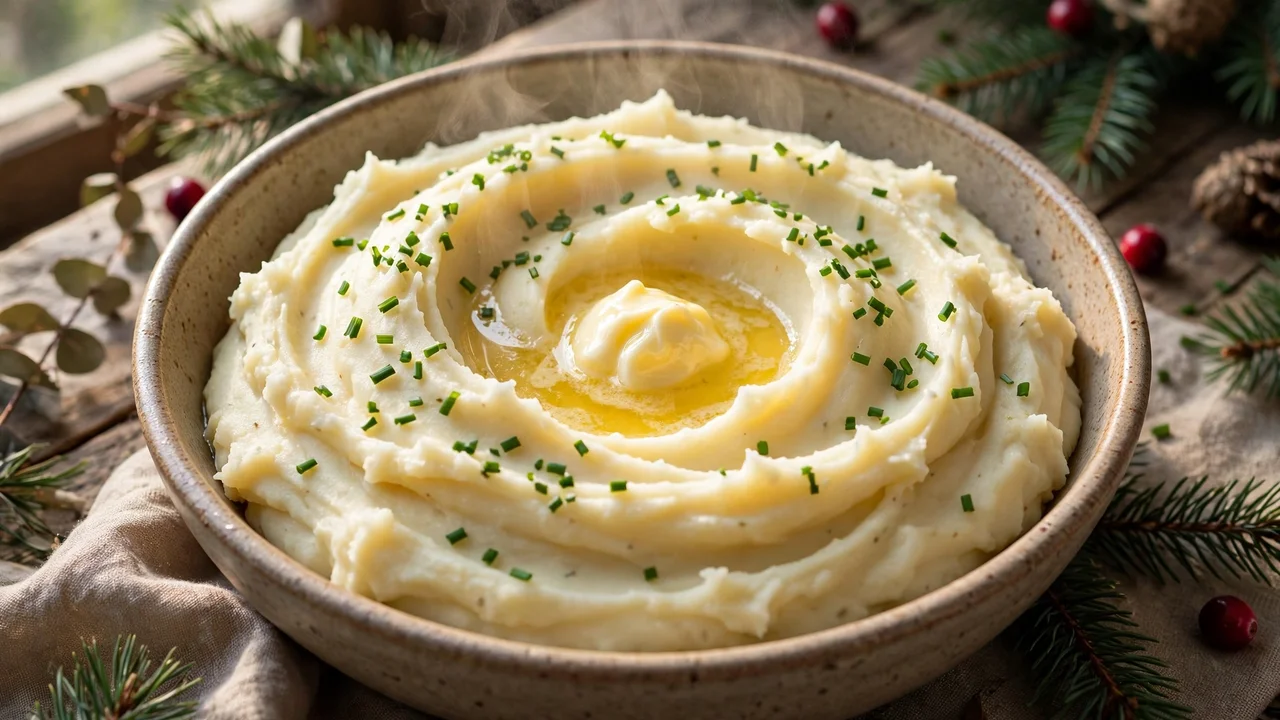
What Makes These Different
- A whole head of roasted garlic folded in for mellow, sweet depth instead of harsh bite.
- Yukon Gold potatoes for natural butteriness and a silky texture.
- Warm dairy only. Hot cream and melted butter absorb evenly instead of cooling the potatoes into a sticky mass.
- Dried on the stove first. A minute back over the heat after draining drives off water, the secret to fluffy mash.
- Salted at every stage. The cooking water, the mash, and a final taste. Potatoes need more salt than you think.
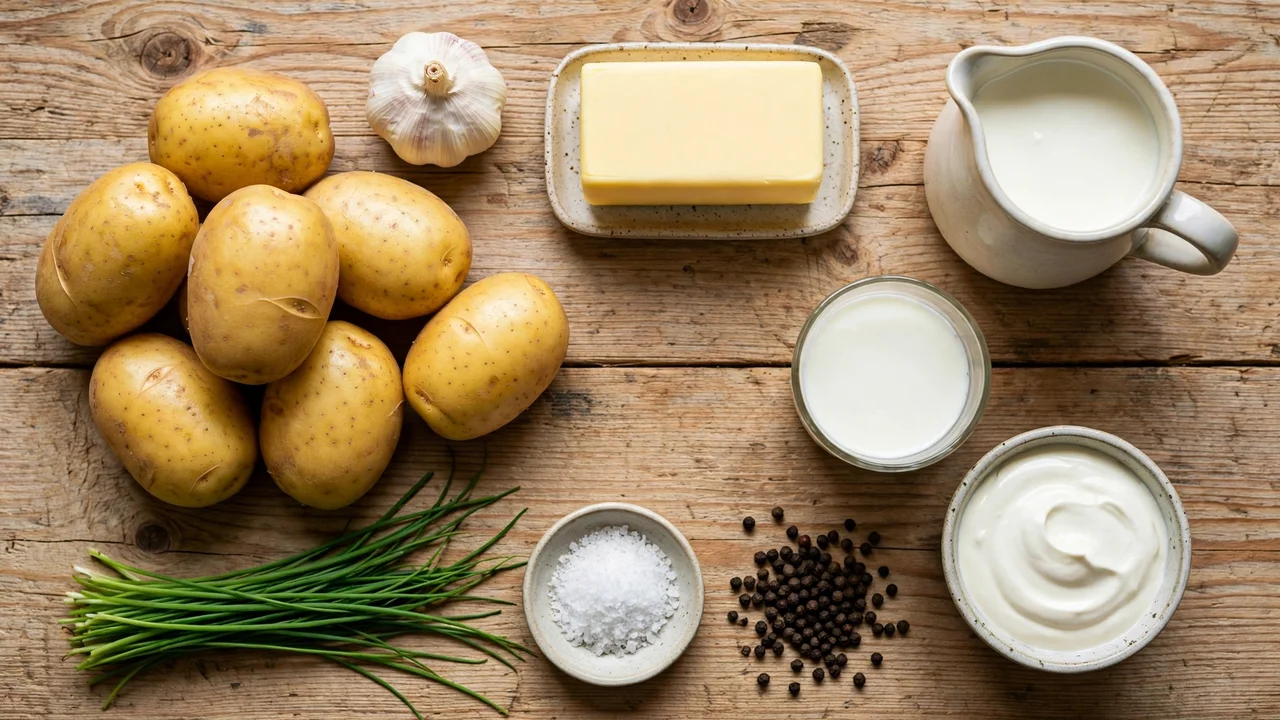
Ingredients
- 1 head of garlic
- 1 teaspoon olive oil
- 3 pounds Yukon Gold potatoes, peeled and cut into 1 1/2-inch chunks
- 1 tablespoon kosher salt for the cooking water, plus more to taste
- 6 tablespoons unsalted butter, plus more for serving
- 3/4 cup heavy cream
- 1/4 cup whole milk, plus more as needed
- 1/2 teaspoon black pepper
- 2 tablespoons sour cream (optional, for tang)
- 2 tablespoons snipped chives or sliced green onions, for serving
Instructions
- Roast the garlic. Heat the oven to 400°F (200°C). Slice the top off the head of garlic to expose the cloves, set it on a square of foil, drizzle with the olive oil, and wrap it up. Roast for 35 to 40 minutes, until the cloves are deep golden and squeeze out soft. Set aside. (This can happen days ahead; refrigerate the roasted cloves until you need them.)
- Start the potatoes in cold water. Put the potato chunks in a large pot, cover with cold water by about an inch, and add the tablespoon of salt. Starting cold means the outsides do not turn mushy before the centers cook.
- Simmer gently. Bring to a boil over high heat, then reduce to a steady simmer. Cook for 15 to 18 minutes, until a knife slides into the largest chunk with no resistance. Do not boil them hard the whole time; violent water breaks the pieces apart and waterlogs them.
- Drain and dry. Drain the potatoes in a colander, then return them to the hot pot over low heat for 1 to 2 minutes, shaking the pot, until the surface of the potatoes looks dry and slightly floury and the steam slows down. This step is small and it changes everything.
- Warm the dairy. While the potatoes drain, combine the butter, cream, and milk in a small saucepan and warm over low heat until the butter melts and the mixture is hot but not boiling. Cold dairy is the enemy of smooth mash.
- Rice or mash. Pass the hot potatoes through a ricer or food mill back into the pot for the smoothest result, or mash with a hand masher for a little more texture. Avoid a food processor or blender at all costs; they rupture the starch and produce paste.
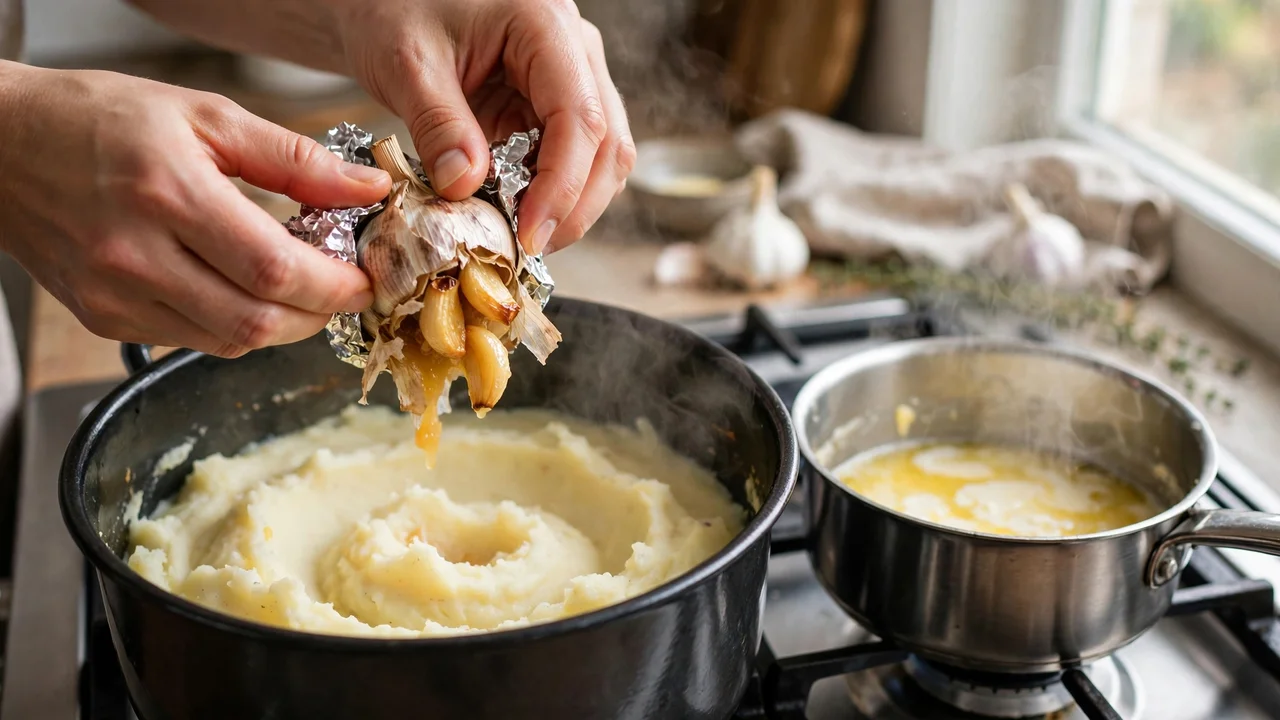
- Build the mash. Squeeze the roasted garlic cloves out of their skins into the pot and mash them in. Pour in about two-thirds of the warm butter mixture and fold gently with a spatula until absorbed. Add the rest gradually until the potatoes reach the consistency you like. Fold in the sour cream if using.
- Season and serve. Stir in the black pepper, taste, and add salt a pinch at a time. Potatoes go from bland to perfect within a few pinches, so keep tasting. Spoon into a warm serving bowl, swirl the top, drop on an extra knob of butter, and scatter with chives.
Tips for Success
- Cut even chunks. Pieces of the same size finish at the same time, so you never get a mix of raw centers and disintegrating edges.
- Salt the water generously. It should taste pleasantly seasoned. This is your main chance to season the potato itself, not just the surface.
- Serve them hot and promptly. Mashed potatoes wait for no one. If they must sit, keep them covered over the lowest heat with a splash of milk on top, and stir before serving.
- Salt again at the table stage. If the mash tastes good in the pot, it often needs one more small pinch once it meets everything else on the plate. Gravy, pan sauces, and salty mains change the balance, so season the potatoes to taste good on their own and they will hold up.
- Peel after boiling, if you prefer. Some cooks boil Yukon Golds in their skins and slip the skins off after. The skins protect the flesh from water. Either way works with this recipe.
Variations
- Loaded style: Fold in shredded sharp cheddar, crumbled bacon, and green onions.
- Brown butter and sage: Brown the butter until nutty, crisp a few sage leaves in it, and use it in place of plain melted butter.
- Horseradish kick: Stir in 1 to 2 tablespoons of prepared horseradish for a version that loves roast beef.
- Half cauliflower: Replace 1 pound of potatoes with cauliflower florets cooked in the same pot for a lighter bowl.
- Extra garlic lovers: Roast two heads. Nobody has ever complained.
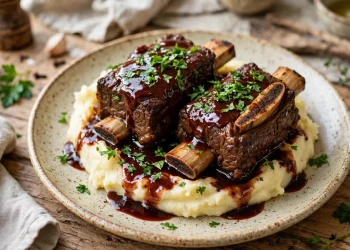
These are the potatoes you want under a slice of grilled ribeye with garlic butter, and they are equally at home beside rosemary garlic lamb chops when you want dinner to feel like an occasion.
Storage and Make-Ahead
Make ahead for a holiday: Mash the potatoes completely, transfer to a buttered baking dish, dot with extra butter, cover, and refrigerate up to 2 days. Reheat, covered, at 350°F for 30 to 40 minutes, stirring once halfway and adding a splash of warm cream to loosen.
Slow cooker hold: Keep finished potatoes warm in a slow cooker on the lowest setting for up to 2 hours, with a thin layer of warm milk or cream over the top to prevent a skin from forming.
Leftovers: Refrigerate up to 4 days. Reheat gently on the stove or in the microwave with a splash of milk, stirring well. Leftover mash also makes excellent potato cakes: mix with an egg and a little flour, pan-fry in butter until crisp on both sides.
Freezing: Freeze in portions for up to 2 months. The fat content in this recipe protects the texture better than lean mash. Thaw in the fridge and reheat with extra cream.
Frequently Asked Questions
Why did my mashed potatoes turn out gluey?
Overworking. Blenders, food processors, and aggressive electric mixers rupture starch cells. Use a ricer or a hand masher and fold the dairy in gently.

Can I use russet potatoes instead?
Yes. Russets make a fluffier, lighter mash but absorb more liquid, so add the dairy slowly and expect to use a bit more. Peel them well, as their skins are tougher.
Can I roast the garlic in an air fryer?
Yes, at 380°F for about 20 to 25 minutes, wrapped in foil the same way. Check that the cloves are completely soft.
How do I fix bland mashed potatoes?
Almost always salt, applied in small amounts with tasting between additions. A pinch of garlic powder or a splash of the potato cooking water can also wake things up.
Recipe Card
Prep Time: 15 minutes
Cook Time: 40 minutes (including roasting the garlic, which can be done ahead)
Total Time: 55 minutes
Servings: 8
Yukon Gold potatoes simmered until tender, dried over the heat, and mashed with roasted garlic, hot butter, and cream for the smoothest, most flavorful mashed potatoes on the table.